

Paediatric chiropractor Williamstown
Williamstown Health Hub for Kids provides gentle, evidence-based chiropractic care for babies, toddlers, and children. Led by Dr Greer Watson (DICCP), one of the few qualified Paediatric Chiropractors in Australia, with over 21 years of clinical experience and 17 years of specialist paediatric focus.
What is paediatric chiropractic?
Paediatric chiropractic is specialised care for babies and children, focused on supporting healthy development through gentle adjustments, soft tissue work, and nervous system support. It is one of the most common allied health services parents seek for infant colic, feeding difficulties, and unsettled behaviour.
Unlike adult chiropractic, paediatric techniques use minimal force – often no more pressure than you’d use to test the ripeness of a tomato. Our practitioner assesses your child’s movement, posture, and nervous system function, then provides age-appropriate care that works with their developing body.
Paediatric chiropractors complete advanced postgraduate training – such as the Diplomate of Clinical Chiropractic Paediatrics (DICCP) – in infant and child development, birth trauma, and gentle techniques designed specifically for young patients. This isn’t scaled-down adult chiropractic – it’s a completely different discipline.
Conditions we treat with chiropractic
Colic & unsettled babies
Colic affects up to 1 in 5 Australian babies – inconsolable crying, usually in the evenings, in an otherwise healthy infant. While the exact cause isn’t fully understood, many parents report improvement after gentle chiropractic care targeting musculoskeletal tension and nervous system regulation.
Our approach focuses on releasing tension in the neck and spine (often from positioning in the womb or during birth), supporting nervous system function, and working collaboratively with your GP, paediatrician, or maternal child health nurse.
What to expect: Most families see changes within 3-6 sessions. We work alongside your existing healthcare team, not as a replacement.
Plagiocephaly (Flat Head Syndrome)
Plagiocephaly – a flat spot on your baby’s head – develops when babies spend extended time in one position. It’s one of the most common reasons parents bring infants to our Williamstown clinic, and usually improves with repositioning, tummy time, and targeted treatment.
Chiropractic care addresses underlying neck tightness and cervical restriction that may prevent your baby from turning their head freely. When combined with physiotherapy and parent education on positioning, most cases improve without the need for helmet therapy.
Best timing: Early intervention between 2-6 months gives the best outcomes, though we can help babies up to 12 months old.
Feeding difficulties & latching problems
If your baby struggles to latch, clicks while feeding, arches away from the breast, or seems uncomfortable during feeds, physical tension in the neck, jaw, or shoulders may be contributing – especially after forceps, vacuum, or caesarean delivery.
Our chiropractor releases this tension through gentle adjustments and soft tissue work, improving head and neck mobility so your baby can position comfortably for feeding. We work closely with lactation consultants and maternal child health nurses to provide comprehensive, collaborative support.
What parents tell us: Many notice improved latching and reduced feeding discomfort within 1-3 sessions. If your baby also has a tongue tie, chiropractic can support jaw and neck mobility before or after a tongue tie release.
Torticollis & neck tightness
Torticollis is when a baby’s head tilts to one side or they prefer looking in one direction. It can develop in the womb or during birth, and it’s one of the most common conditions we treat in our Williamstown clinic alongside plagiocephaly, which often develops as a result.
Our team uses gentle mobilisation, soft tissue release, and parent-led exercises to improve neck range of motion. Treatment typically takes 4-8 sessions, with parents doing daily stretches at home.
Early treatment helps prevent the head tilt from affecting facial symmetry or head shape as your baby grows. Combined chiropractic and physiotherapy often gives the best outcomes for torticollis.
Birth trauma (forceps, vacuum, caesarean)
Assisted deliveries and long labours can create compression and tension in a baby’s head, neck, and spine. Signs your baby may benefit from a post-birth chiropractic assessment include difficulty feeding or latching on one or both sides, preferring to turn to one side (early torticollis), arching back when held or during feeds, unsettled behaviour, poor sleep, or excessive crying without clear cause, and limited head rotation or neck stiffness.
Our chiropractor provides gentle cranial work and spinal mobilisation to release compression and restore comfortable movement. Many families in Williamstown and the inner west bring newborns within the first few weeks of life for post-birth assessment – no referral is needed.
Growing pains & postural issues (older kids)
For school-aged children and teens, our chiropractor works alongside our physiotherapy and exercise physiology teams to address growing pains (leg pain at night, typically ages 4-12), postural strain from screens and heavy school bags, sports-related injuries including Sever’s disease (heel pain), and headaches related to posture, jaw tension, or neck tightness.
Our approach combines gentle adjustments, soft tissue work, strengthening exercises, and education on ergonomics and movement patterns.
How paediatric chiropractic works
For babies (0-12 months)
- Cranial techniques (gentle pressure to release tension in the skull, jaw, and sutures)
- Soft tissue release (light massage targeting tight neck, shoulder, and spinal muscles)
- Spinal mobilisation (gentle, low-force movement – not the high-velocity adjustments used in adult chiropractic)
For toddlers & children (1-12 years)
- Gentle spinal adjustments (tailored to your child’s size, age, and comfort level)
- Soft tissue therapy and myofascial release
- Stretching and mobility programs
- Postural correction and strengthening exercises
For teens (13+ years)
- Low-force adjusting techniques
- Sports injury assessment and management
- Posture correction and ergonomic education for school and sport
What babies & children experience
Most babies sleep through their sessions or remain calm and settled. Some babies cry briefly during assessment or adjustment (unfamiliar environment, being handled), then settle quickly.
Toddlers and older children are guided through the process with age-appropriate explanations. We never force treatment – if your child is distressed, we pause and adjust our approach.
Safety & evidence
All our practitioners are AHPRA-registered and follow evidence-based protocols for paediatric care. Serious adverse events from paediatric chiropractic are extremely rare when performed by qualified practitioners.
We work collaboratively with GPs, paediatricians, and allied health providers. If chiropractic isn’t the right option for your child’s needs, we’ll refer you to the appropriate specialist.
What to expect at your first visit
Initial consultation
We’ll discuss:
- Your child’s health history, development, and any previous assessments
- Birth story (type of delivery, any interventions, complications, or concerns)
- Current symptoms and what you’re hoping to address
- Your child’s sleep, feeding, and general behaviour
We’ll assess:
- Movement patterns and range of motion
- Posture and alignment
- Neurological reflexes (age-appropriate)
- Areas of tension or restriction
If appropriate, we’ll provide gentle treatment during the first visit. You’ll receive:
- Clear explanation of findings
- Treatment plan (number of sessions, timeline)
- Home care advice (positioning, exercises, stretching)
Follow-up sessions
Most babies and children need 3-8 sessions, depending on the condition being addressed. We reassess progress at each visit and adjust the plan as needed.
What to bring:
- Your child’s health record (Green Book or digital equivalent)
- Any relevant medical reports, imaging, or specialist letters
- A list of current medications or supplements
- Questions or concerns you’d like addressed
Cost & health fund rebates
- Initial consultation: Adult $120, Child / Concession $100
- Follow-up sessions: Adult $73, Child / Concession $68
- Most private health funds with extras cover provide rebates for chiropractic
- HICAPS available for on-the-spot claiming
- Medicare: Adult / Child / Concession $72.65 ($61.80 rebate with a GP care plan referral)
- For full pricing details, see our fees page
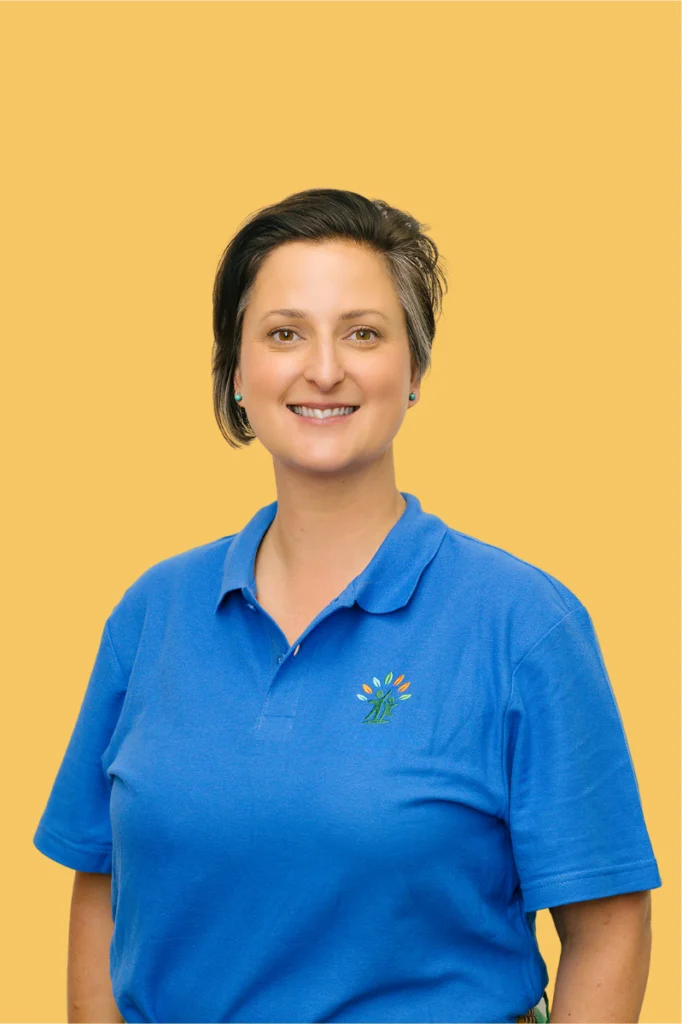
Meet our paediatric chiropractor
Dr Greer Watson
Greer holds a Diplomate of Clinical Chiropractic Paediatrics (DICCP), making her one of the few chiropractors in Australia formally recognised as a Paediatric Chiropractor. With over 21 years of clinical experience and 17 years of specialist paediatric focus, she combines gentle, low-force techniques with neurological assessments and parent education.
Greer is a member of the Australian Chiropractic Association (ACA) and ACA AICE Paediatric Group, a peer reviewer for the Chiropractic Journal of Australia, and a contributor to the Australian Chiropractic Research Network (ACORN). No other chiropractor in Williamstown, Newport, Altona, or Spotswood holds this qualification.
She works alongside our physiotherapist and exercise physiologist to provide comprehensive, multidisciplinary care at every developmental stage. Learn more about our team.
Why families choose us for chiro in Williamstown
Team-based care
Our chiropractor, physiotherapist, and exercise physiologist work together under one roof. If your child needs multiple services, we coordinate care internally – no separate clinics, no repeated assessments.
Evidence-based approach
We follow AHPRA guidelines and stay current with paediatric research. We collaborate with GPs, paediatricians, and allied health providers to ensure your child receives the best care.
Parent-led management
You’re involved in every decision. We explain our findings, discuss treatment options, and only proceed with your consent.
Common questions we get from parents
Book your child’s chiropractic assessment
If your baby is struggling with feeding, sleep, or settling – or your child is dealing with pain, developmental concerns, or postural issues – our DICCP-qualified paediatric chiropractor can help.