
Exercise physiology for kids Williamstown
Williamstown Health Hub for Kids provides exercise physiology for children and teens. Led by Palak Amin, a dual-qualified physiotherapist and exercise physiologist with over 7 years of clinical experience and APA Level 2 Paediatric Physiotherapy certification – our programs cover sports injury recovery, strength and conditioning, chronic conditions, and NDIS-funded goals.
What is exercise physiology for children?
Exercise physiology is an allied health discipline that uses targeted, evidence-based exercise programs to improve physical function, manage health conditions, and support long-term development in children and teens. It is one of the fastest-growing paediatric allied health services in Australia, particularly for sports injury rehabilitation and NDIS-funded support.
Unlike physiotherapy (which focuses on assessing and treating injuries and movement problems), exercise physiology focuses on building strength, endurance, and fitness through structured programs, rehabilitation after injury through progressive loading and conditioning, managing chronic health conditions through prescribed exercise, sports performance and injury prevention for young athletes, and long-term physical development and functional capacity.
Our exercise physiologist assesses your child’s movement, strength, and fitness, then creates a tailored program based on their age, ability, and goals – with measurable outcomes tracked at every stage.
Conditions we treat with exercise physiology
Sever’s Disease (heel pain in active kids)
Sever’s disease (calcaneal apophysitis) is the most common cause of heel pain in active children aged 8-14, occurring when the growth plate in the heel becomes inflamed from repeated stress during running and jumping sports like soccer, basketball, Auskick, netball, and athletics. Kids with Sever’s disease typically complain of heel pain during or after sport, limp after training or games, and have tight calf muscles from rapid growth spurts.
Our exercise physiologist creates tailored rehabilitation programs including daily stretching to reduce calf tightness, eccentric strengthening exercises (controlled lowering movements that improve tendon tolerance), load management strategies to balance training and rest, biomechanics and footwear assessment, and a structured return-to-sport plan with gradual progression back to full activity.
Most children recover within 6-12 weeks with proper management and consistent home exercises. For acute pain management, our physiotherapy team can provide initial treatment before transitioning to an EP-led rehab program.
Sports injury rehabilitation
We help young athletes recover from injuries and return to sport safely. Common injuries we rehabilitate include Osgood-Schlatter disease (knee pain in active teens), little league elbow and shoulder, Achilles and patellar tendinopathies, ACL and other knee ligament injuries, recurrent ankle sprains, and stress fractures.
Our rehabilitation programs use structured strength and conditioning protocols, movement quality and technique correction, progressive loading to gradually increase exercise intensity, and sport-specific training to prepare athletes for the demands of their sport. We work closely with our physiotherapy team, who manage the acute injury phase, before transitioning to an EP-led strength and conditioning program.
Most athletes return to full sport within 8-16 weeks depending on injury severity, though complex injuries like ACL reconstruction may take 9-12 months. We coordinate with coaches and sports trainers to ensure safe return to play.
Hypermobility & joint instability
Children with hypermobile joints (very flexible, often described as “double-jointed”) frequently experience joint pain, instability, poor endurance, and recurrent sprains. Hypermobility is common – it often runs in families and can be associated with conditions like Ehlers-Danlos syndrome. While flexibility can be an advantage in sports like gymnastics and dance, children with hypermobility benefit significantly from structured strengthening programs.
Our exercise physiologist creates programs focused on building strength around hypermobile joints, improving proprioception (your child’s awareness of where their body is in space), developing endurance without overloading vulnerable joints, and teaching safe movement patterns for sport and daily activities.
Most children see reduced pain and improved joint stability within 12-16 weeks of consistent work. For children with significant hypermobility or suspected Ehlers-Danlos syndrome, we work alongside paediatricians and rheumatologists to coordinate care.
NDIS exercise physiology
We work with NDIS participants who are plan-managed or self-managed, supporting children and teens with gross motor delays, developmental coordination disorder, autism spectrum disorder, cerebral palsy, intellectual disability, hypotonia (low muscle tone), and chronic health conditions affecting movement and fitness.
Our NDIS programs are goal-focused and individualised, targeting strength, coordination, and balance development, improving physical confidence and independence, building fundamental movement skills like running, jumping, and throwing, and increasing participation in physical activity at home, school, and in the community.
Exercise physiology is typically funded under Capacity Building (Improved Daily Living) or Core Supports depending on your plan. We provide regular progress reports aligned to your child’s NDIS goals, and detailed documentation for plan reviews. For children who also need hands-on treatment for specific injuries or movement problems, our physiotherapy service can complement EP sessions.
Strength & conditioning for young athletes
For children and teens serious about their sport, structured strength and conditioning programs improve power, speed, endurance, movement quality, injury resilience, and overall performance. We work with competitive athletes on rep and state-level teams, kids transitioning to higher competition levels, young athletes wanting to prevent injuries like Sever’s disease and Osgood-Schlatter, and teens building general fitness and body confidence.
Our programs are age-appropriate and evidence-based, using training methods designed specifically for developing bodies — not scaled-down adult programs. Palak coordinates with coaches and sports trainers to ensure strength work complements on-field training without creating overload or fatigue.
Most young athletes see measurable improvements in strength, speed, and endurance within 8-12 weeks. Programs can run alongside chiropractic or physiotherapy care if your child also needs hands-on treatment.
Chronic health conditions
Exercise is clinically proven to support management of many childhood health conditions. We create safe, evidence-based programs for children with Type 1 and Type 2 diabetes (exercise planning around insulin and blood glucose management), asthma (improving exercise tolerance and cardiovascular fitness), obesity and weight management (sustainable programs focused on strength and fitness rather than weight loss alone), and chronic fatigue or post-viral recovery (gradual return to activity using structured pacing strategies).
Our exercise physiologist works closely with your child’s GP, paediatrician, endocrinologist, or respiratory specialist to ensure exercise complements medical management. All programs are tailored to each child’s condition, medications, and physical capacity.
Most children with chronic conditions benefit from ongoing exercise physiology support (monthly or quarterly check-ins) rather than short-term treatment blocks.
How exercise physiology works
Initial assessment & goal setting
We assess movement patterns, strength, flexibility, cardiovascular fitness, and current activity levels using age-appropriate testing protocols. Together we set clear, measurable goals – whether that’s returning to sport by a specific date, reducing pain during activity, building strength for injury prevention, or achieving NDIS plan outcomes.
Individualised exercise programs
Every program includes specific exercises with clear instructions (sets, reps, technique cues), progressive overload to gradually increase difficulty as your child improves, home exercise routines (3-5 sessions per week, 20-40 minutes each), and regular program adjustments every 2-4 weeks based on progress and reassessment.
Supervised training sessions
In-clinic sessions focus on teaching correct technique, monitoring form and safety, and progressing exercises as your child improves. Younger children (6-12 years) work through play-based activities and games. Teens and athletes (13+ years) receive structured, performance-focused training with clear metrics and goal-oriented progression.
Home exercise programs
We provide written instructions with photos or videos, simple equipment options (resistance bands, dumbbells, bodyweight exercises), realistic time commitments (20-40 minutes, 3-5 days per week), and progress tracking tools including exercise logs, strength measurements, and pain scores. Parents supervise younger children while teens typically work independently.
Ongoing monitoring & progress tracking
We retest strength and movement every 4-6 weeks, track pain and function at every session, and adjust programs based on progress or setbacks. If your child isn’t improving as expected, we investigate contributing factors – whether that’s exercise compliance, technique, load management, or the need for medical review – and modify the approach accordingly.
What to expect at your first visit
Initial consultation
We’ll discuss:
- Your child’s health, injury, or development history
- Current activity levels and sports participation
- Goals for treatment or training
- Any concerns or limitations
We’ll assess:
- Movement patterns and technique
- Strength, flexibility, balance, and coordination
- Cardiovascular fitness (when appropriate)
- Sport-specific movements (if applicable)
You’ll receive:
- Clear explanation of findings
- Individualised exercise program
- Timeline and expected outcomes
- Home exercise instructions
Follow-up sessions
Most children need ongoing sessions (weekly or fortnightly) for 8-16 weeks depending on goals. We reassess regularly and progress the program as your child improves.
What to bring:
- Comfortable exercise clothing and supportive shoes
- Water bottle
- Any relevant medical reports or NDIS plans
- Questions or goals you’d like to discuss
Cost & health fund rebates
- Initial consultation: $125
- Follow-up sessions: Standard $105, Extended $180
- Private health fund rebates available (most extras cover provides rebates for exercise physiology)
- HICAPS available for instant claiming
- NDIS funding available for eligible participants
- For full pricing details, see our fees page.
Meet our exercise physiologist
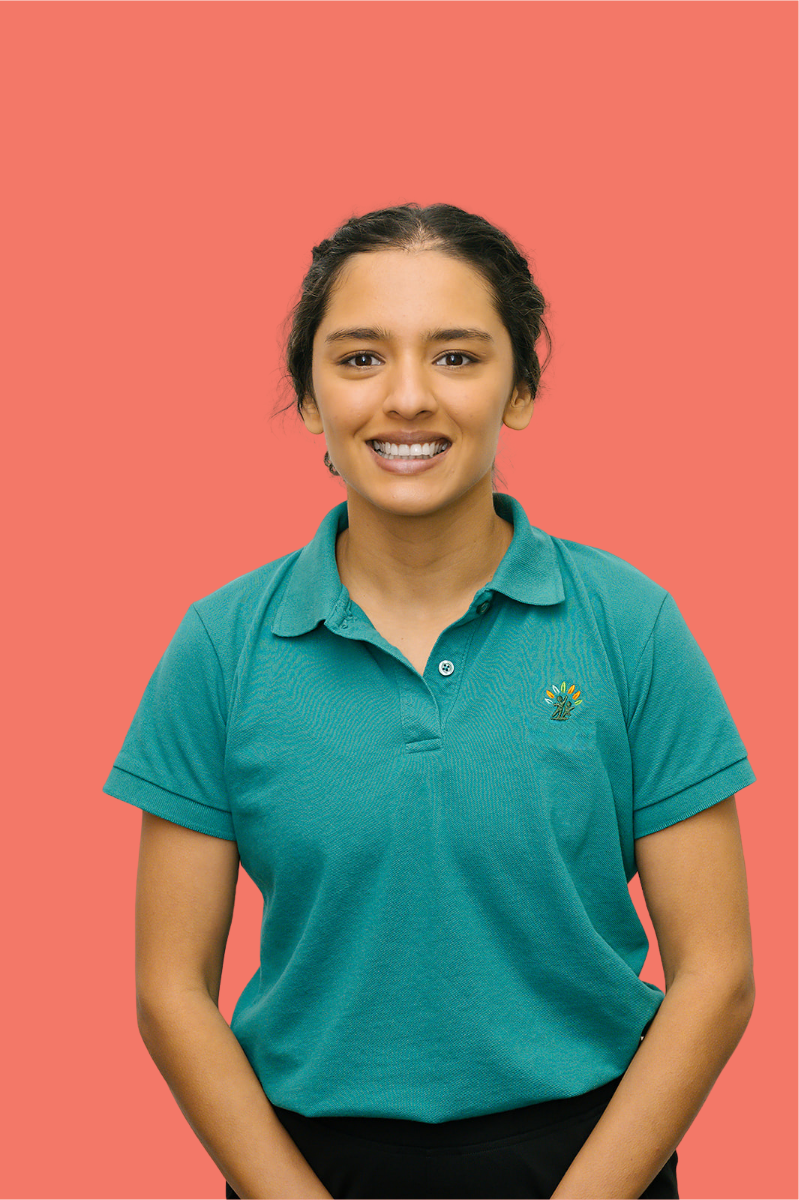
Palak Amin
Palak is our lead exercise physiologist, specialising in paediatric sports injuries, strength and conditioning for young athletes, and NDIS exercise programs. She holds a Master of Exercise Physiology (University of Sydney), a Master of Physiotherapy Studies (University of Queensland), and APA Level 2 Paediatric Physiotherapy certification.
Being dual-qualified as both a physiotherapist and exercise physiologist gives Palak a comprehensive understanding of injury recovery and long-term physical development that few paediatric practitioners can offer. She’s experienced working with children recovering from Sever’s disease and other sports injuries, young athletes building strength and performance, and NDIS participants working on gross motor skills and physical confidence.
Palak works closely with our chiropractor and coordinates with coaches, sports trainers, and specialists when needed. Learn more about our team in Melbourne’s inner west.
Why families choose us for exercise physiology in Williamstown
Team-based care
Our exercise physiologist, physiotherapist, and chiropractor work together under one roof. If your child needs acute injury treatment from physio followed by long-term strength building from EP, we coordinate care seamlessly.
Paediatric and youth-specific expertise
Our exercise physiologist holds APA Level 2 Paediatric Physiotherapy certification and specialises exclusively in children, teens, and young athletes. We understand growing bodies, developmental stages, and age-appropriate exercise prescription.
NDIS-registered provider
We work with NDIS participants who are plan-managed or self-managed. We provide streamlined invoicing, clear service agreements, goal-aligned progress reports for plan reviews, and documentation that supports funding renewal.
Common questions we get from parents
Book your child’s exercise physiology assessment
If your child has Sever’s disease or other sports injuries, needs strength and conditioning support, is managing a chronic health condition, or is an NDIS participant, our exercise physiologist can help.