
Kids physiotherapy Williamstown
Williamstown Health Hub for Kids provides specialist physiotherapy for babies, toddlers, children, and teens. Led by Palak Amin, a dual-qualified physiotherapist and exercise physiologist, our team helps with movement difficulties, developmental delays, sports injuries, and posture concerns.
What is paediatric physiotherapy?
Paediatric physiotherapy is a specialist allied health service that supports children’s physical development, movement, and function from birth to 18 years. Unlike adult physiotherapy, our approach considers your child’s developmental stage, growth patterns, and age-appropriate movement milestones.
We work with babies who aren’t rolling or crawling as expected, toddlers with walking difficulties or toe walking, school-aged children with sports injuries or posture problems, and teens recovering from injury or managing chronic conditions like hypermobility.
Our physiotherapist uses manual therapy, structured exercise programs, and parent education to improve strength, flexibility, coordination, and confidence.
Conditions we treat with physiotherapy
Toe walking
Toe walking is common in toddlers learning to walk, but persistent toe walking beyond age 3 may need a physiotherapy assessment. It’s one of the most common reasons parents bring school-aged children to our clinic in Melbourne’s inner west.
Our physiotherapy approach includes stretching programs for tight calves and Achilles tendons, strengthening exercises for ankle and foot muscles, gait retraining (teaching heel-toe walking patterns), and footwear advice. We also assess for underlying causes including sensory processing differences, muscle tightness, and neurological factors.
Most children show improvement within 8-12 weeks with consistent home exercises and regular physiotherapy sessions.
When to see a GP: If toe walking is accompanied by other developmental concerns, muscle weakness, or loss of previously acquired skills.
Growing pains
Growing pains affect 25-40% of Australian children, typically between ages 4 and 12. Kids complain of aching or throbbing in their legs – usually calves, thighs, or behind the knees – often at night after active days.
Despite the name, growing pains aren’t directly caused by growth. They’re more often related to activity levels, muscle tightness, biomechanical factors, or inadequate warm-up and cool-down routines.
Our physiotherapist provides stretching programs, strengthening exercises, manual therapy, and activity modification strategies. Home management with heat packs, gentle massage, and maintaining flexibility typically reduces pain frequency and intensity within 4-8 weeks. For children with persistent or severe growing pains, our exercise physiologist can create a structured strengthening program.
Gross motor delays
Gross motor skills include rolling, sitting, crawling, walking, running, jumping, and climbing. Some children develop these skills later than expected, or struggle with coordination, balance, and physical confidence.
We assess children who aren’t meeting key movement milestones – such as not rolling by 6 months, not sitting independently by 9 months, or not walking by 18 months – as well as children with low muscle tone, weakness, or developmental coordination disorder.
Our physiotherapist creates individualised programs focusing on building core strength and stability, improving balance and coordination, developing age-appropriate movement patterns, and building confidence in physical play.
We work closely with paediatricians, occupational therapists, speech pathologists, and early intervention services. For children on NDIS plans, our exercise physiologist can provide complementary strength and coordination programs.
Torticollis & plagiocephaly
Torticollis is neck tightness that causes a baby’s head to tilt to one side or rotate in one direction. Left untreated, it often leads to plagiocephaly (flat head syndrome) because babies spend more time lying on one side of their head.
Our physiotherapy approach includes gentle stretching and mobilisation of tight neck muscles, positioning advice for sleep, feeding, and play, structured tummy time coaching to build tolerance and neck strength, and parent-led exercises to do at home multiple times daily.
When combined with chiropractic care for babies with significant cervical restriction, most cases resolve within 8-16 weeks. Best outcomes occur with early intervention between 2-6 months, though we can help babies up to 12 months old.
Sports injuries (youth athletes)
We treat active kids and teens with acute injuries (ankle sprains, knee ligament injuries, muscle strains, shoulder injuries, stress fractures) and overuse injuries (Sever’s disease, Osgood-Schlatter disease, little league elbow and shoulder, shin splints, and tendinopathies). Sever’s disease (heel pain in active children aged 8-14) is one of the most common sports injuries we see in our clinic in Melbourne’s inner west.
Our sports injury service includes accurate diagnosis and injury management, pain relief strategies, rehabilitation programs targeting strength, flexibility, and balance, return-to-sport planning with gradual load progression, and injury prevention education.
For longer-term rehabilitation and strength conditioning after the acute phase, we work closely with our exercise physiology team, as well as coaches and sports trainers, to ensure safe return to play.
Hypermobility & joint pain
Some children have very flexible joints (hypermobility), which can lead to frequent joint pain, joints that feel unstable or give way, poor endurance, and recurrent sprains. Hypermobility is common, often runs in families, and can be associated with conditions like Ehlers-Danlos syndrome.
While flexibility can be an advantage in sports like gymnastics and dance, children with hypermobility benefit significantly from structured strengthening programs to stabilise their joints.
Our physiotherapy approach focuses on building muscle strength around flexible joints, improving proprioception (your child’s awareness of where their body is in space), teaching safe movement patterns for sport and daily activities, and activity modification when needed. For children requiring long-term strength programs, our exercise physiologist can provide ongoing support.
How paediatric physiotherapy works
Manual therapy
- Joint mobilisation (gentle movement to improve range of motion)
- Soft tissue release (massage for tight muscles)
- Stretching techniques
Exercise therapy
- Strengthening programs tailored to your child’s age and ability
- Flexibility and stretching routines
- Balance and coordination exercises
- Gait training (walking and running patterns)
Developmental support
- Tummy time coaching for babies
- Crawling and standing progression for infants
- Gross motor skill development for toddlers
Sports rehabilitation
- Injury recovery programs
- Return-to-sport protocols
- Strength and conditioning for young athletes
Hydrotherapy (when appropriate)
- Water-based exercises for children with movement difficulties
- Low-impact strengthening and coordination work
What to expect at your first visit
Initial assessment
We’ll discuss:
- Your child’s development and health history
- Current concerns and symptoms
- Activities your child enjoys or avoids
- Goals you have for treatment
We’ll assess:
- Movement patterns and range of motion
- Strength, flexibility, and balance
- Posture and alignment
- Developmental milestones (for younger children)
- Sport-specific movements (for athletes)
You’ll receive:
- Clear explanation of findings
- Diagnosis (if applicable)
- Treatment plan with expected timeline
- Home exercise program
- Activity and management advice
Follow-up sessions
Most children need 4-12 sessions depending on the condition. We reassess progress regularly and adjust the program as your child improves.
What to bring:
- Your child’s health record (Green Book for babies/toddlers)
- Any relevant medical reports, X-rays, or specialist letters
- Comfortable clothing for movement assessment
- Sports equipment if relevant (running shoes for gait analysis, etc.)
- Questions or concerns
Cost & health fund rebates
- Initial consultation: Standard $125, Extended $180
- Follow-up sessions: Standard $105, Extended $125
- Most private health funds with extras cover provide rebates
- HICAPS available for instant claiming
- NDIS: $173.99 p/hr (plan-managed and self-funded only)
- For full pricing details, see our fees page
Meet our paediatric physiotherapist
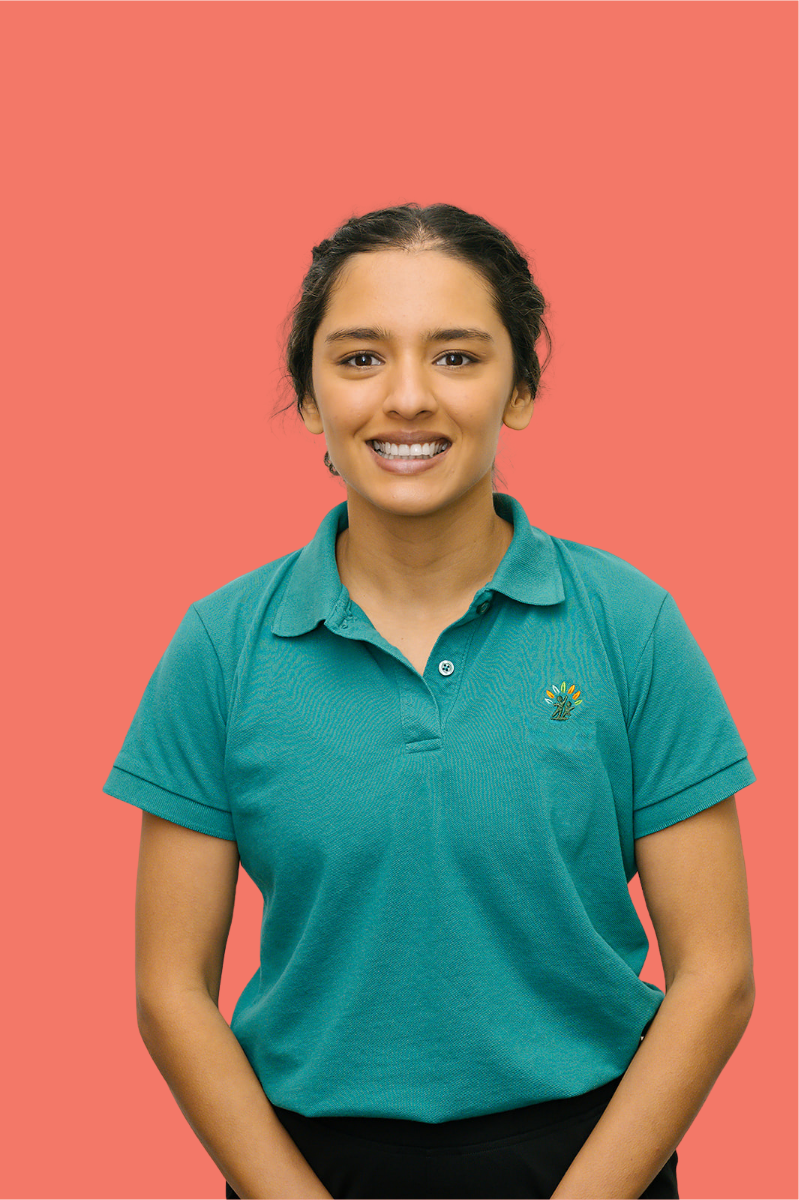
Palak Amin
Palak is our lead paediatric physiotherapist, specialising in infant development, childhood movement disorders, and sports injuries in young athletes. She holds a Master of Physiotherapy Studies (University of Queensland), a Master of Exercise Physiology (University of Sydney), and APA Level 2 Paediatric Physiotherapy certification from the Australian Physiotherapy Association.
Palak has particular expertise in torticollis, plagiocephaly, gross motor delays, and neurological conditions affecting movement. She works with babies from birth, toddlers navigating developmental milestones, and teens recovering from sports injuries.
She works closely with our chiropractor and coordinates with GPs, paediatricians, and occupational therapists when children need multidisciplinary support. Learn more about our team.
Why families choose us for physio in Williamstown
Team-based care
Our physiotherapist, chiropractor, and exercise physiologist work together under one roof. If your child needs multiple services, we coordinate care internally.
Evidence-based approach
We follow best-practice guidelines, stay current with paediatric research, and work alongside GPs and paediatricians.
Parent-led management
Parents are partners in treatment. We teach you exercises, positioning strategies, and management techniques to support your child at home.
Common questions we get from parents
Book your child’s physiotherapy assessment
If your child has movement difficulties, developmental delays, sports injuries, or posture concerns, our APA Level 2 paediatric physiotherapist can help. Call or book online.