
Growing pains in kids: what’s normal, and what’s not
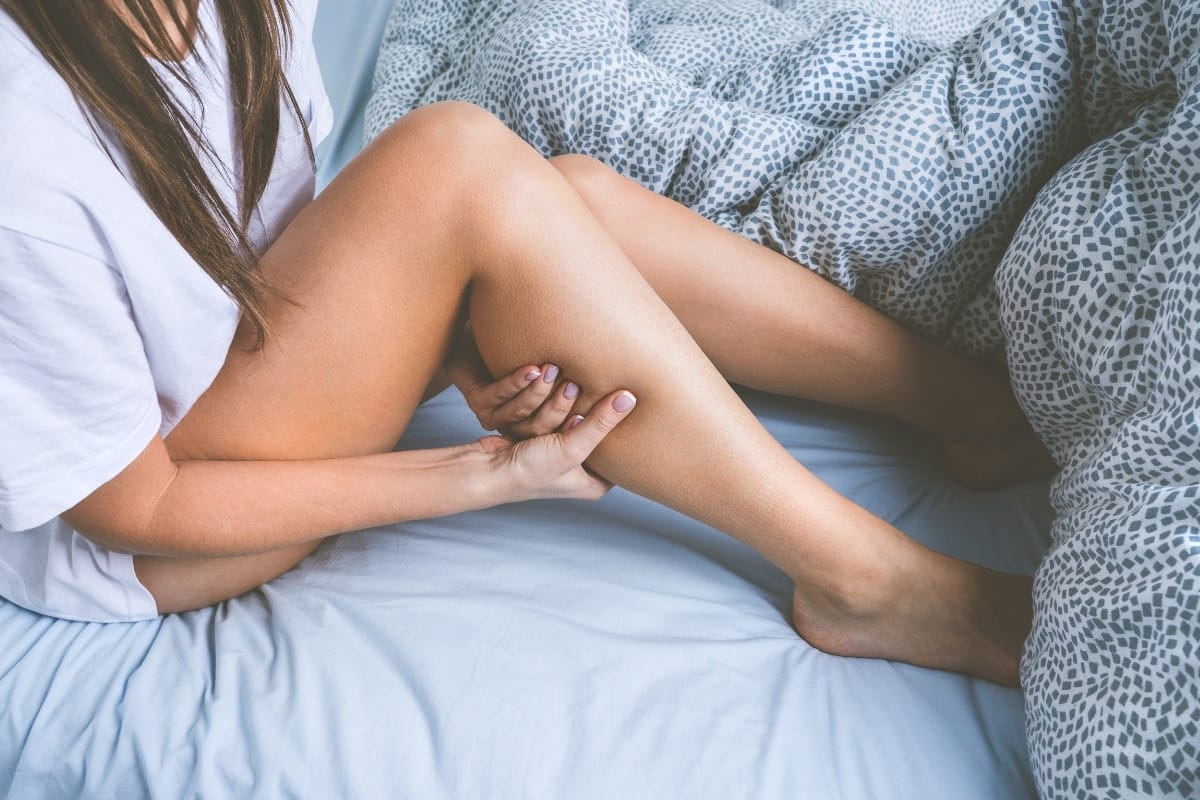
“My legs hurt” is one of the most common complaints parents hear from kids between ages three and twelve, usually in the evening, usually in the legs, and usually gone by morning. It’s easy to dismiss as growing pains. Most of the time, that’s exactly what it is.
What are growing pains?
Growing pains are a common ache, typically in the shins, calves, or behind the knees, affecting children aged 3 to 12. They occur in both legs, usually in the evening, and resolve by morning. Despite the name, they’re not caused by bones growing. The likely explanation is muscle fatigue from an active day.
Typical growing pains share a consistent pattern:
- Affect both legs, often the shins, calves, or behind the knees
- Show up in the late afternoon or evening
- Are gone by morning
- Don’t cause limping, swelling, or redness
The name is genuinely a bit misleading, since bones themselves don’t ache as they lengthen. The more likely explanation is straightforward muscle fatigue: a day of running, jumping, and general kid-level activity puts real load through young muscles, and the ache surfaces once everything settles down for the night. If you’re curious about the broader range of conditions we see across different ages, our conditions page is a useful starting point.
When it’s not just growing pains
Pain in one leg only, pain always in the same specific spot, swelling or redness around a joint, morning pain, or pain linked to a specific sport are signs that suggest something other than general growing pains, most commonly an overuse injury such as Sever’s disease or Osgood-Schlatter disease.
A few signs are worth a proper assessment rather than waiting it out:
- Pain in one leg only, or pain that’s always in the same specific spot
- Swelling, redness, or warmth around a joint
- Pain still present in the morning, or pain that causes limping
- Pain linked to a specific sport or activity, which points more toward an overuse pattern than general growing pains
Two of the most common growing pain look-alikes in active kids are Sever’s disease (heel pain, common in sport-playing 8 to 14 year olds) and Osgood-Schlatter disease (pain just below the kneecap, common during growth spurts). Both are genuinely different conditions from generalised growing pains, and both respond well to targeted treatment once correctly identified.
What helps at home
For typical growing pains, gentle stretching before bed, a warm bath or heat pack, simple massage, and supportive footwear for active kids are the most commonly recommended comfort measures. These address muscle fatigue directly rather than treating an underlying condition, since none exists in true growing pains.
A few things worth trying at home for genuine growing pains:
- Gentle stretching before bed, particularly calves and hamstrings
- A warm bath or heat pack on achy areas
- Simple massage, which kids often respond well to
- Supportive footwear, especially for kids playing regular sport
Where physiotherapy and exercise physiology fit in
A physiotherapist or exercise physiologist can distinguish true growing pains from an overuse pattern like Sever’s or Osgood-Schlatter through a movement and load assessment, then build a simple plan, often stretching, load management, and technique adjustment, to keep a child active and comfortable rather than sidelined.
In practice, our team often sees active kids where the line between normal growing pains and an emerging overuse pattern isn’t obvious to parents, which makes sense, since the early presentation can look similar. A physiotherapy or exercise physiology assessment focuses on how a child moves, where load is concentrated during their specific sport, and whether footwear or training volume is contributing. The goal is almost never to stop a child playing sport altogether. It’s a targeted plan that lets them keep training while the underlying issue settles.
When to see someone
Seek an assessment if pain is one-sided, persistent, linked to a specific sport, or affecting how your child walks. A physiotherapist or exercise physiologist can determine whether it’s true growing pains, an overuse pattern, or a specific condition like Sever’s or Osgood-Schlatter, and build a plan accordingly.
If the pain is one-sided, persistent, linked to a specific sport, or affecting how your child walks or moves, it’s worth a proper assessment rather than waiting to see if it settles on its own. Raising Children Network has a clear, evidence-based overview of growing pains if you want additional background before deciding on next steps.
The bottom line
Most leg pain in active kids is exactly what it looks like: ordinary growing pains that need comfort measures, not treatment. Getting it checked isn’t about assuming the worst, it’s about ruling things out and giving yourself confidence either way. If it is just growing pains, you’ll leave with practical reassurance and some simple strategies to make evenings easier. If it’s something more specific, like Sever’s or Osgood-Schlatter, catching it early usually means a simpler, shorter path back to full activity, without ongoing niggles that follow a child into their teenage years. Either outcome is a good one to know for certain.
FAQs
What age do growing pains usually happen?
Most commonly between ages 3 and 12, though they can occur at any point during a growth spurt.
Should my child stop playing sport if they have growing pains?
Usually not. General growing pains don’t require rest. If pain is linked to one specific activity or joint, it’s worth an assessment before continuing rather than stopping altogether.
Do growing pains need treatment?
Typical growing pains usually just need comfort measures at home. Persistent, one-sided, or activity-linked pain benefits from a proper assessment to rule out something more specific, like Sever’s or Osgood-Schlatter disease.
How is Sever’s disease different from growing pains?
Sever’s disease causes heel pain specifically, tends to be linked to sport and activity levels, and doesn’t resolve with the same simple comfort measures that help general growing pains. It responds better to a targeted physiotherapy approach.
Palak Amin
Palak is dual-qualified as a physiotherapist and exercise physiologist, with seven years of clinical experience focused on paediatric care. She holds a Master of Physiotherapy Studies (University of Queensland), a Master of Exercise Physiology (University of Sydney), and APA Level 2 Paediatric Physiotherapy certification. AHPRA registration: PHY0002710139.